Micheal Juhan
03/20/2025
If you’ve ever searched “how to demo a shed,” “DIY mobile home removal,” or “cheap building teardown,” you’re not alone.
At first glance, demolition looks simple—grab a hammer, rent a dumpster, and start tearing things apart.
But the reality is very different.
Even experienced contractors emphasize that demolition isn’t just destruction—it’s controlled deconstruction. As one professional put it, a single person “swinging wildly with a hammer can cause a lot more damage than expected.”
At Fall Line Reliable Services, we’ve seen firsthand how DIY demolition can quickly turn into higher costs, safety risks, and unexpected repairs.
Here are 7 reasons why DIY demolition often costs more than hiring a licensed, insured professional from the start.
1. You Don’t Know What’s Behind the Walls
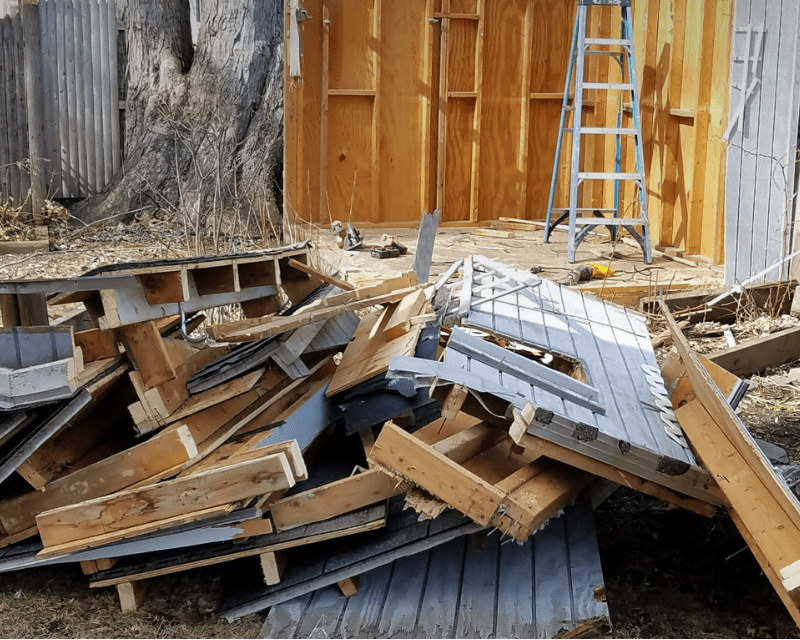
When you start tearing into a structure—whether it’s a shed, camper, or mobile home—you’re not just removing wood and drywall.
You’re exposing:
Electrical wiring
Plumbing lines
Gas connections
Structural supports
Without proper knowledge, it’s easy to:
Cut live electrical lines
Break water pipes
Compromise load-bearing components
Even careful DIYers admit you “never know what’s running behind the wall.”
One mistake here doesn’t just slow the project—it can create expensive secondary repairs that outweigh any savings.
2. “Demolition” Is Actually Precision Work
TV and social media make demolition look fast and aggressive.
In reality, professionals approach it more like surgery.
Proper demolition involves:
Sequencing removal safely
Isolating structural elements
Preventing collateral damage
Separating materials for disposal or recycling
As one contractor explained, experienced crews can complete work in a fraction of the time because they deconstruct strategically, not destruct blindly.
DIY attempts often take 10x longer—and still create more problems.
3. Injury Risk Is Higher Than You Think
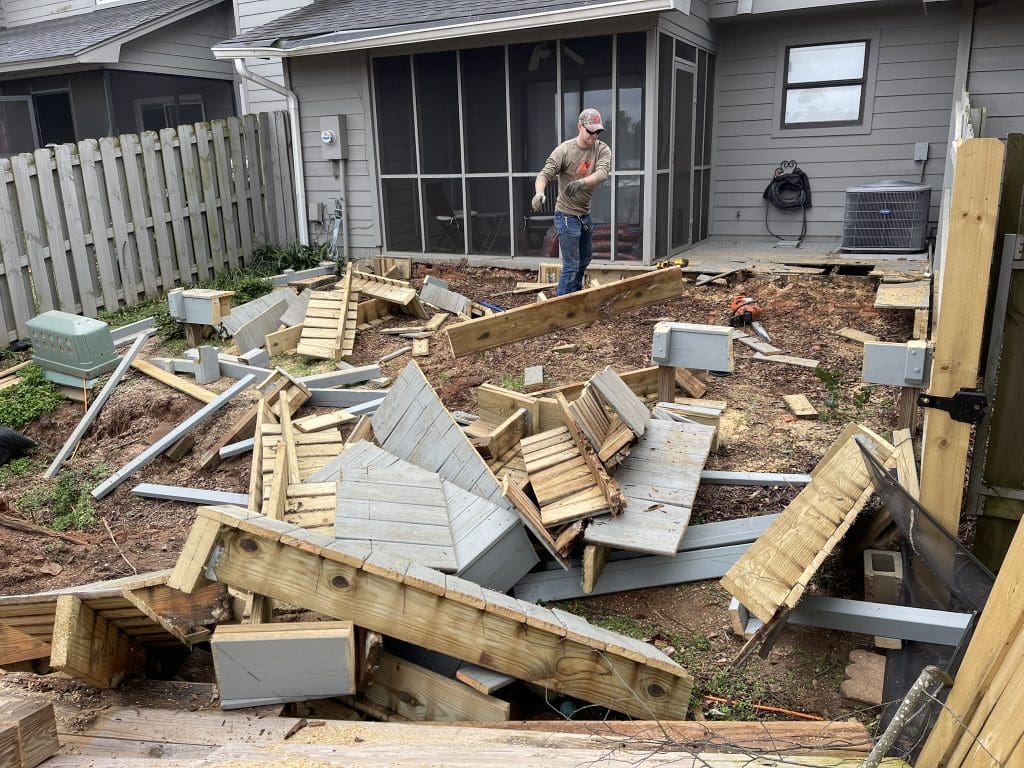
Demolition sites are full of hazards:
Sharp metal and nails
Falling debris
Dust and airborne particles
Mold, insulation, and contaminants
Even something as simple as skipping a mask has led DIYers to serious health issues like infections and respiratory problems.
And that’s before considering:
Trips and falls
Tool injuries
Structural collapse
What looks like a “weekend project” can easily turn into an ER visit—and that cost adds up fast.

4. Disposal Costs Add Up Quickly
A major misconception is that demolition savings come from doing the labor yourself.
In reality, a large portion of cost comes from:
Debris hauling
Dump fees
Material sorting
Transportation logistics
DIYers often underestimate:
How much debris accumulates
How heavy materials are
How many trips are required
Some even realize too late that disposal alone eliminates most of the savings.
At Fall Line, we handle:
Efficient load-out
Responsible disposal
Recycling where possible
This is where real cost efficiency is created.
5. You May Still Pay for Professional Fixes
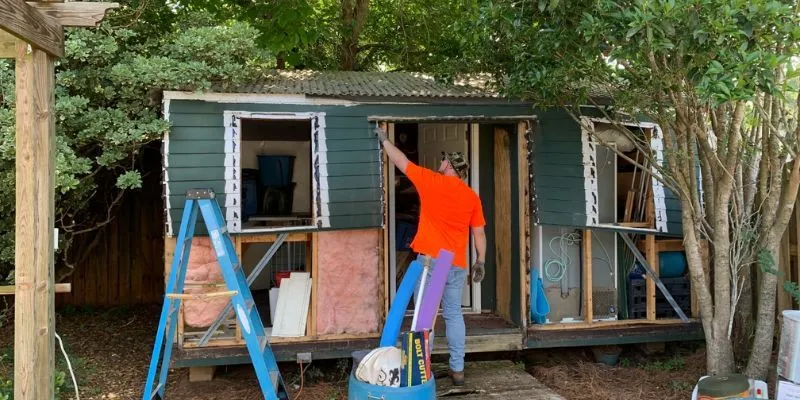
One of the biggest hidden costs of DIY demolition is fixing mistakes.
Contractors frequently report that:
About half of DIY demo projects create additional damage
Improper removal leads to rework
Partial demo requires professionals to “finish the job correctly”
That means you pay for:
Your time and effort
Additional repairs
Professional correction
What started as a cost-saving idea often becomes more expensive than hiring a pro upfront.
6. Permits, Regulations, and Liability Are Real
Even smaller structures like:
Sheds
Mobile homes
Detached buildings
can involve:
Local permitting requirements
Environmental regulations
Proper disposal laws
Improper handling can result in:
Fines
Delays
Legal liability
There’s also personal liability:
If someone is injured on your property during a DIY demo, you are responsible.
Fall Line Reliable Services is:
Licensed
Insured
Experienced in local compliance
That means projects are handled correctly, safely, and legally from day one.
7. You Lose the Opportunity to Recover Value
Demolition isn’t just about tearing down—it’s the first step in the material lifecycle.
Many materials have recoverable value:
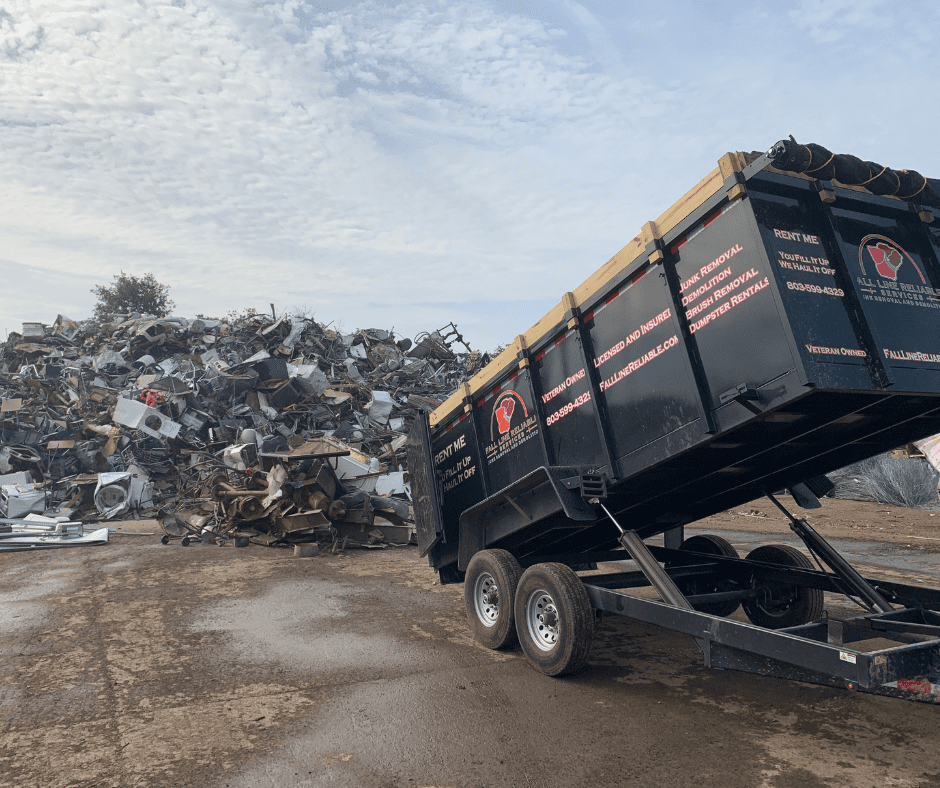
Scrap metal
Reusable components
Recyclable materials
Professionals understand:
How to separate materials efficiently
What can be salvaged
How to reduce landfill waste
At Fall Line, we prioritize:
Scrap metal recovery
Recycling where possible
Responsible disposal practices
This not only reduces environmental impact—it can also offset project costs.
The Bigger Picture: Time, Cost, and Outcome
DIY demolition often seems appealing because it feels like:
You’re saving labor costs
You’re in control of the timeline
But based on real-world experience, most projects end up with:
Longer timelines
Higher total costs
Increased risk
Lower-quality outcomes
Even homeowners who enjoy DIY admit demolition is often:
More physically demanding than expected
More complex than it looks
Less cost-effective than anticipated
Lorem ipsum dolor sit amet, consectetur adipiscing elit. Ut elit tellus, luctus nec ullamcorper mattis, pulvinar dapibus leo.
Why Property Owners Choose Fall Line Reliable Services
At Fall Line, demolition isn’t just a service—it’s a professional process built on experience, safety, and efficiency.
We are:
Veteran-owned
Licensed and insured
Experienced with residential and light structural demolition
Focused on safety, compliance, and environmental responsibility
We bring:
The right equipment
The right process
The right understanding of materials and structure
And most importantly—we help clients avoid the costly mistakes that come with DIY demolition.
Final Takeaway
If you’re considering demolishing:
A shed
A small building
A mobile home
A camper
Ask yourself one question:
Are you actually saving money—or just shifting the risk onto yourself?
Because in demolition, small mistakes don’t stay small.
Need Help With a Demolition Project?
Fall Line Reliable Services provides professional demolition, junk removal, and debris management across Aiken, Augusta, and the surrounding CSRA.
If you want the job done:
Safely
Efficiently
Responsibly
We’re ready to help.
Contact us today for a quote and avoid turning a demolition project into a costly problem.
