When most people think about demolition, they picture structures coming down and debris being hauled away.
But modern demolition — when handled professionally — plays a critical role in sustainability, recycling, and responsible construction practices.
In fact, responsible demolition in Aiken and Augusta is one of the first and most important steps in reducing environmental impact during redevelopment.
Demolition Is the First Step in Sustainable Construction
Sustainability in construction doesn’t begin when new materials arrive.
It begins when old materials are removed correctly.
Professional demolition contractors don’t simply tear down structures — they evaluate materials, separate recyclables, manage regulated waste, and ensure sites are cleared in a way that supports future development.
This shift from “disposal” to “resource management” is what makes demolition a key part of the circular economy.
Steel Recycling: A Major Energy Saver
One of the most significant sustainability benefits in demolition comes from steel recovery.
Recycling steel saves up to 74% of the energy required for new production compared to manufacturing steel from raw iron ore.
That means every load of scrap metal recovered from a demolition site:
Reduces energy demand
Lowers greenhouse gas emissions
Decreases mining and raw material extraction
Supports domestic manufacturing supply chains
Steel can be recycled indefinitely without losing structural integrity — making it one of the most valuable materials recovered during structural demolition.
Concrete & Masonry Recycling in Demolition Projects
Concrete is one of the highest-volume materials in residential and commercial demolition projects across Aiken and Augusta.
Instead of sending concrete to the landfill, it can be:
Crushed into recycled aggregate
Reused as road base
Used for structural fill
Incorporated into new construction projects
Recycling concrete reduces quarry extraction and lowers transportation-related emissions.
Wood, Gypsum, and Other Recoverable Materials
Responsible demolition includes sorting and separating materials such as:
Wood
Clean lumber may be salvaged or processed into mulch or biomass fuel.
Gypsum (Drywall)
When separated properly, gypsum can be recycled into new drywall or used as a soil amendment.
Asphalt Shingles
Ground and incorporated into pavement mixes, reducing demand for petroleum-based binders.
These recovery efforts significantly reduce landfill dependency and extend the lifecycle of building materials.
Environmental Compliance in Demolition
Sustainability also includes proper handling of regulated materials.
Older structures may contain:
Asbestos
Lead-based paint
Contaminated soil
Other regulated construction materials
Professional demolition ensures these materials are identified, handled, and disposed of according to local, state, and federal regulations.
This protects:
Groundwater
Air quality
Surrounding properties
Community health
Compliance is not optional — it is foundational to responsible demolition.
Lowering Embodied Carbon in New Construction
Embodied carbon — the emissions associated with producing and transporting building materials — is a growing focus in modern construction standards.
When recycled steel, crushed concrete, and recovered materials are reintroduced into manufacturing and construction, the carbon footprint of future projects decreases.
Demolition directly influences the sustainability of what comes next.
Why Responsible Demolition Matters in Aiken & Augusta
Construction and demolition debris make up a significant portion of landfill volume nationwide.
By prioritizing material separation and recycling, demolition contractors in the CSRA can:
Increase landfill diversion rates
Reduce environmental impact
Support circular supply chains
Lower overall construction emissions
Demolition is not simply tearing something down.
It is preparing materials for their next lifecycle.
Professional Demolition Services in Aiken & Augusta
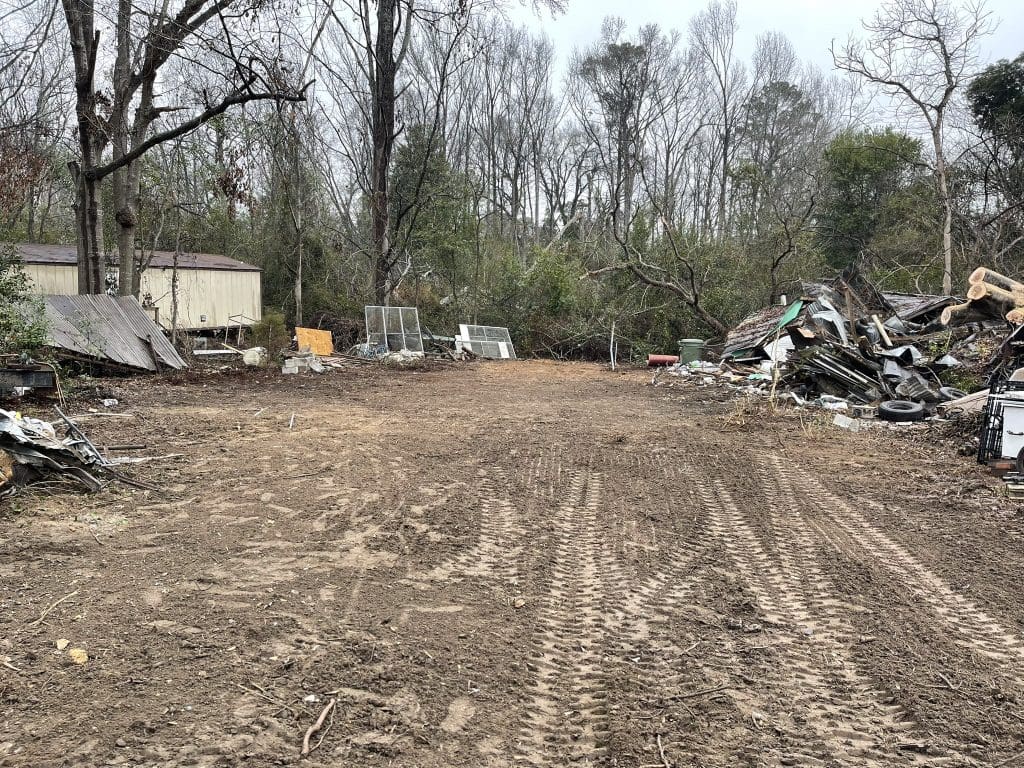
Whether you’re clearing residential structures, removing sheds, preparing for redevelopment, or managing commercial teardown projects, responsible site clearing matters.
At Fall Line Reliable Services, demolition is handled with:
Strategic material separation
Environmental awareness
Regulatory compliance
Professional-grade equipment
Clean, site-ready results
If you’re planning a demolition project in Aiken, Augusta, or the surrounding CSRA area, explore our full range of professional services here:
👉 https://falllinereliable.com/services/
Frequently Asked Questions About Responsible Demolition
Is demolition environmentally friendly?
Demolition can be environmentally responsible when handled correctly. Professional demolition contractors prioritize material separation, recycling, and regulated disposal to reduce landfill waste and lower environmental impact.
How does demolition support sustainability?
Responsible demolition supports sustainability by recovering materials such as steel, concrete, wood, and asphalt for recycling or reuse. This reduces raw material extraction, lowers energy consumption, and supports circular construction practices.
Why is steel recycling important in demolition?
Recycling steel saves up to 74% of the energy required for new production. Since steel can be recycled indefinitely without losing strength, recovering it from demolition sites significantly reduces emissions and manufacturing demand.
What happens to concrete after demolition?
Concrete can be crushed and processed into recycled aggregate. It is commonly reused in road base, structural fill, and new construction projects, reducing the need for virgin quarry materials.
Does demolition reduce landfill waste?
Yes. By separating recyclable materials and diverting recoverable debris, responsible demolition can significantly reduce the volume of waste sent to landfills.
Why does proper handling of hazardous materials matter?
Older structures may contain asbestos, lead-based paint, or other regulated materials. Proper identification and compliant disposal protect groundwater, air quality, surrounding properties, and public health.
Why does responsible demolition matter for future construction?
The way materials are handled during demolition directly impacts the sustainability of what gets built next. Recovered materials lower embodied carbon and support more efficient supply chains for new projects.
Demolition isn’t just the end of a structure.
It’s the first step toward building something better — with fewer resources, lower energy consumption, and a stronger commitment to environmental responsibility.
