Michael Juhan
Michael is the veteran owner of Fall Line Reliable in Aiken. He and his family serve Aiken County with demolition, junk removal, dumpster rental, and environmentally conscious services.
THE HIDDEN COSTS OF ILLEGAL DUMPING
Environmental Damage • Taxpayer Burden • Property Value Decline
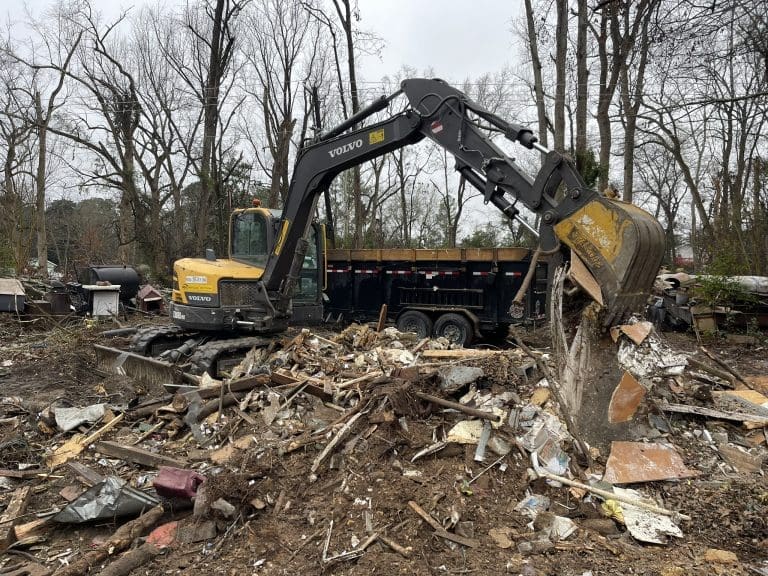
Illegal dumping is often viewed as a minor inconvenience — a pile of debris on the side of the road, discarded construction material behind an abandoned property, or unauthorized dumping in rural areas. In reality, illegal dumping within the construction and demolition industry creates serious environmental, financial, and community-wide consequences that extend far beyond appearance alone.
QUICK FACT
“The EPA estimates the U.S. generates over 600 million tons of construction and demolition debris annually.” **
ENVIRONMENTAL DAMAGE
Across the United States, construction and demolition activities generate hundreds of millions of tons of debris annually. Concrete, wood, drywall, roofing materials, scrap metal, insulation, appliances, and hazardous materials all require proper handling and disposal.
When contractors or haulers attempt to avoid landfill fees, fuel costs, or disposal regulations by illegally dumping materials, entire communities absorb the long-term consequences.
One of the largest hidden costs of illegal dumping is environmental damage. Construction debris left on vacant lots, wooded areas, roadside properties, or undeveloped land often introduces contaminants into surrounding ecosystems.
Materials exposed to rain and weather can release harmful substances into soil and groundwater systems over time. Even seemingly harmless materials like treated lumber, painted drywall, or old roofing materials may contain chemicals that affect nearby water sources and wildlife habitats.
Illegal dumping sites also disrupt stormwater systems and increase erosion risks. Loose debris, sediment, insulation, plastics, and lightweight materials frequently wash into drainage ditches, creeks, and waterways during storms. Over time, this pollution impacts local ecosystems and creates additional environmental cleanup requirements for municipalities and property owners alike.
The financial burden of illegal dumping is another issue rarely discussed. While the contractor responsible may temporarily avoid disposal fees, taxpayers often become responsible for the cleanup costs later. Counties and municipalities spend significant resources removing illegally dumped debris from roadsides, vacant lots, public properties, and wooded areas. Those costs ultimately affect local budgets, public services, and taxpayers.
Property owners also face hidden financial consequences when dumping occurs near residential or commercial developments. Illegal dumping lowers surrounding property values, creates negative perceptions within neighborhoods, and discourages future investment or redevelopment opportunities. Vacant lots covered in debris often attract additional dumping activity, creating a cycle that becomes increasingly expensive to reverse.
In many cases, illegal dumping sites become safety hazards as well. Construction debris piles may contain exposed nails, unstable materials, sharp metal, broken concrete, or hazardous waste. These conditions create risks for nearby residents, children, wildlife, and maintenance crews tasked with cleanup efforts. Illegal dumping sites also attract rodents, snakes, insects, and other pests that thrive in neglected environments.
The demolition industry plays a critical role in reducing these problems through responsible waste management and material recovery practices. Professional demolition and cleanup operations involve far more than simply tearing structures down and hauling debris away.
Responsible contractors carefully separate recyclable materials, properly dispose of hazardous waste, and coordinate disposal efforts with approved facilities and recycling centers.
MATERIAL RECOVERY
Scrap metal recovery is one example of how responsible demolition contributes to environmental sustainability. Metals recovered from demolition projects can often be recycled and reintroduced into manufacturing supply chains rather than sent to landfills. Concrete, asphalt, brick, and other materials may also be processed and reused for future construction applications when managed correctly.
These practices reduce landfill pressure, conserve natural resources, and support the growing demand for more sustainable construction methods throughout the industry. Responsible disposal is no longer simply a regulatory issue — it is increasingly becoming part of professional operational standards within construction, demolition, and property management industries.
For property owners, choosing the right contractor matters. Low-cost hauling or demolition services that lack proper disposal procedures may create significant liability risks later. Dumping violations, environmental fines, and cleanup responsibilities can ultimately affect both contractors and property owners when waste is mishandled improperly.
DISPOSAL AND RECYCLING
Professional contractors should be transparent about disposal practices, recycling efforts, and project cleanup procedures. Responsible operators prioritize compliance, environmental stewardship, and long-term community impact rather than short-term cost cutting.
At Fall Line Reliable Services, responsible demolition and debris management remain central to how projects are approached throughout the CSRA. Whether handling property cleanups, demolition debris, scrap metal recovery, or large-scale hauling projects, the goal is not simply to remove material — it is to manage it responsibly.
Illegal dumping may seem like a shortcut for some operators, but the long-term costs to communities, property owners, and the environment are far too significant to ignore. Responsible disposal practices protect property values, reduce environmental harm, support recycling efforts, and help preserve the long-term usability of land throughout the communities we serve.
As construction and demolition activity continues to grow, responsible waste management will only become more important. The companies that prioritize proper disposal, recycling, and environmental stewardship today are helping shape a cleaner and more sustainable future for tomorrow.
**U.S. Environmental Protection Agency. Construction and Demolition Debris: Material-Specific Data. https://www.epa.gov/facts-and-figures-about-materials-waste-and-recycling/construction-and-demolition-debris-material
